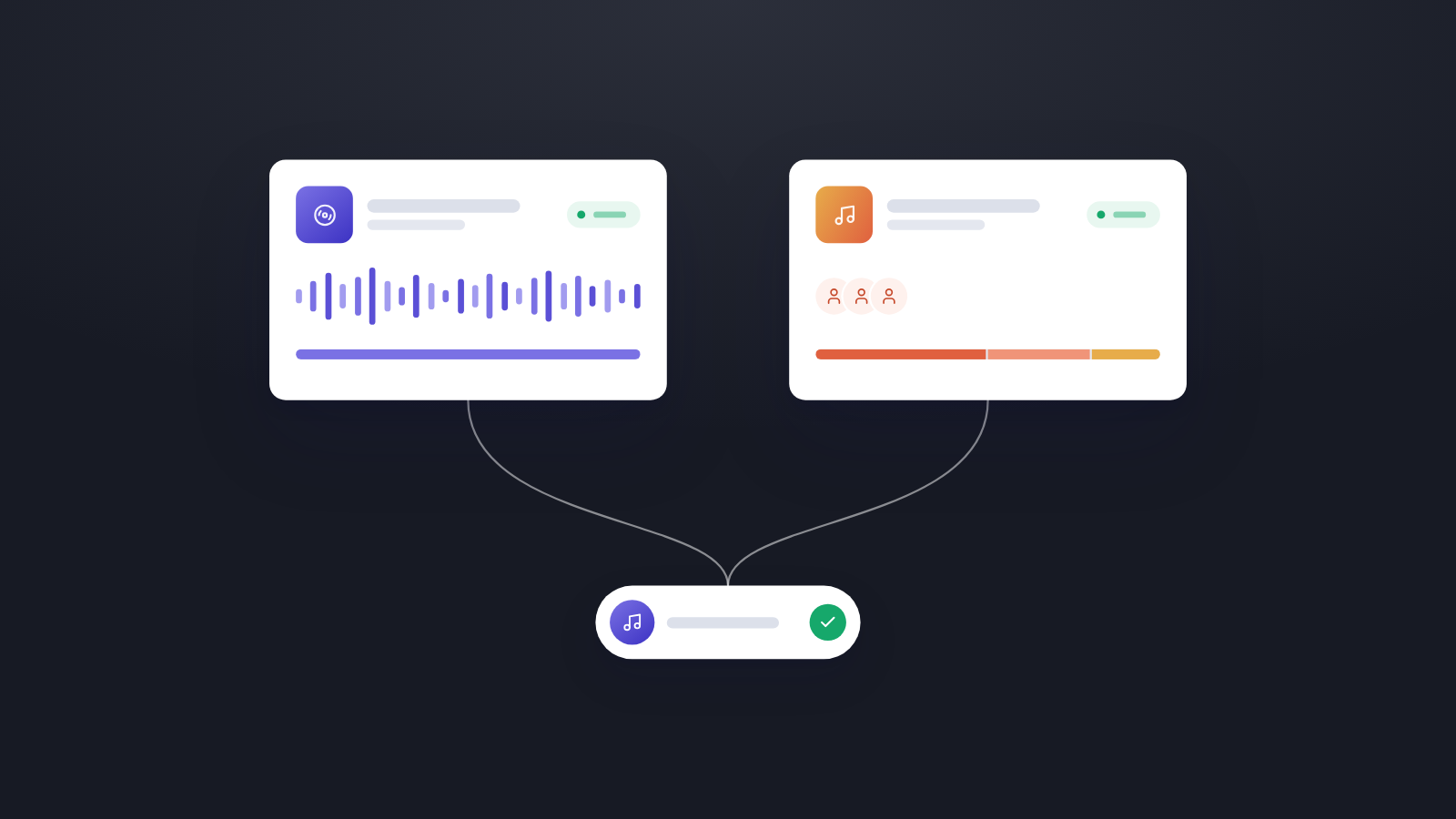
Music clearance is getting written permission, at an agreed fee, from everyone who controls a song's recording and its composition before the song goes to picture. For one placement, it typically runs in seven stages, from finding out who owns what to delivering the paperwork.
What does "cleared" mean?
A song is cleared when every rights holder on both sides of it has agreed to your use, and your production has signed off on the fee and terms.
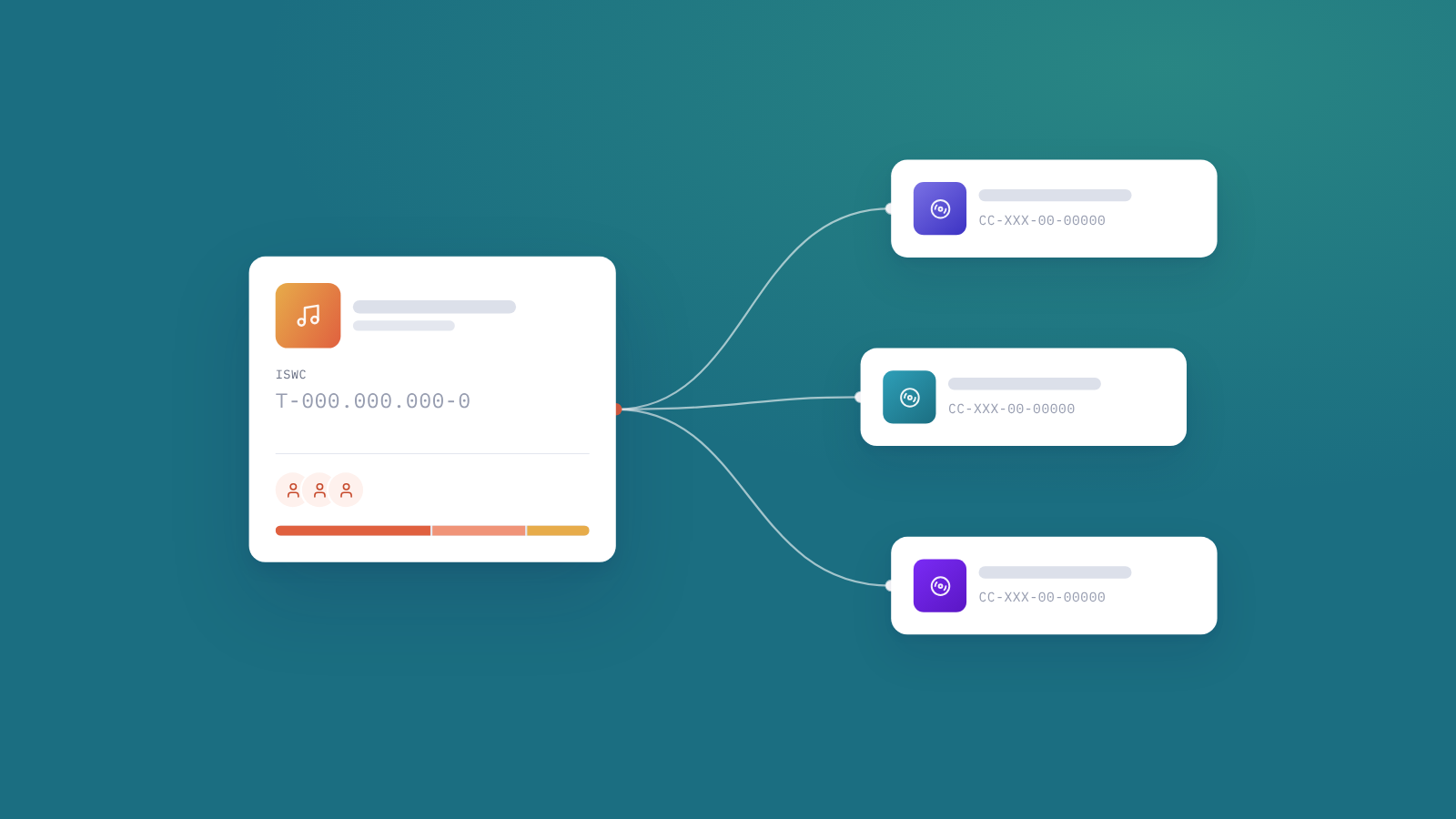
Both sides matter because one song is two copyrights. The master is the recording. The composition is the song as written—the music and the lyrics. The U.S. Copyright Office puts it plainly in Circular 56A, on registering musical compositions and sound recordings: "Sound recordings and musical compositions are considered two separate works for copyright purposes."
Labels say the same from their side. UMG's film and TV licensing FAQ tells productions that using an existing recording means getting permission "for both the sound recording (what we control) and the publishing rights from the applicable rights holders."
Who has to say yes?
At least three parties, often more:
- The master owner. For a label release, that's the label.
- Every publisher or administrator with a share of the composition. A song with several writers can have several publishers, and in practice each one licenses only its own share. Kobalt's licensing FAQ is direct about it: you need permission "from all applicable publishers involved before you have a fully approved composition."
- Your production. The director, producers, or client who sign off on the fee and the use. Berklee Online's guide to music supervision describes the final steps as starting once the music is "found, licensed, and approved by your superiors."
Add those up and one song can need four or more separate yeses, each given independently.
What are the stages of a clearance?
Here's the typical order for one placement. The master side and the publishing side run in parallel, not one after the other, so you can be at a different stage on each.
- Identify who controls what. Find the master owner. Find every publisher and each publisher's share of the composition—the splits. A clearance can stall on one share that nobody has identified, even a 12.5% share.
- Send quote requests. Send one to the master owner and one to each publisher. Describe the use, and give your music budget. The next section lists what request forms ask for.
- Receive the quotes. Each rights holder sends a preliminary quote for the use you described. The International Documentary Association's clearance primer says preliminary quotes "are usually good for 45-90 days."
- Negotiate to the budget. If a quote is over budget, negotiate the fee or the terms.
- Get sign-off on the deal. Each rights holder approves the fee and terms. Your production approves them too. The creative choice of the song often happens earlier. This stage is about the deal, not the song.
- Lock the placement. When every approval is in and the song is in the final mix, lock the placement. Send each rights holder a confirmation of the final use.
- Complete the paperwork. Get the formal license from each rights holder. At delivery, the song goes on the cue sheet.
What goes in a quote request?
A rights holder prices the use you describe, so describe it well. Kobalt asks you to be "as descriptive as possible with your project and usage of the song." Real request forms, such as Wise Music's synchronization request form, ask for:
- The project. Title, type, a short synopsis, and the release or air date.
- The use. The scene, and how the song plays in it—background, featured, visual vocal, or over the titles.
- The timing. How long the song runs, in minutes and seconds.
- The rights. Term, territory, and media.
- The money. Your music budget, and on some forms the overall budget.
The IDA's example of a clear use description is short: "background car radio source of 35 seconds," plus a line on the scene. Some forms also ask about options, such as a longer term you might want later.
Label forms cover the master only. UMG's licensing request form says so outright: "you will also need permission from the music publisher for use of the composition."
How long does clearance take?
Anywhere from a day to two months, and sometimes longer. The IDA puts the range at "one day to eight weeks or more, depending on the variables."
Rights holders publish their own reply times. UMG asks you to "allow up to two weeks to receive a response." Kobalt says a request "may take up to 3-4 weeks."
On episodic TV, the window can be as short as a couple of days. That's shorter than the default reply time on either side, so a tight window depends on follow-up, not on the queue.
Where can a clearance stall?
At any stage, but four places are worth watching:
- An unidentified share. The composition side can't clear until every share has a known owner.
- A rights holder who goes quiet. With reply times of two to four weeks, one unanswered request can hold up the whole song.
- A quote that breaks the budget. The song waits until the fee or the terms fit.
- One side approves and the other doesn't. A yes on the master clears nothing on the composition, and the reverse is true too.
How do you keep track of every clearance?
Track each rights holder, not just each song. A song is only as cleared as its slowest yes.
For every song candidate, your tracker has to hold:
- each rights holder, on both sides
- their quote
- their approval status
- the date you last heard from them
If you run clearance from a spreadsheet and your inbox, that's what the spreadsheet has to carry, one row per rights holder rather than one per song.
ClearMyTracks follows every placement from candidates to locked, and tracks each rights holder from first contact to formal approval. It doesn't look up rights holders for you—writers, publishers, and splits come from you—and it doesn't send email for you.
Next: the codes you use to find who controls a song, in ISRC vs ISWC, and where PROs and IPI numbers fit.